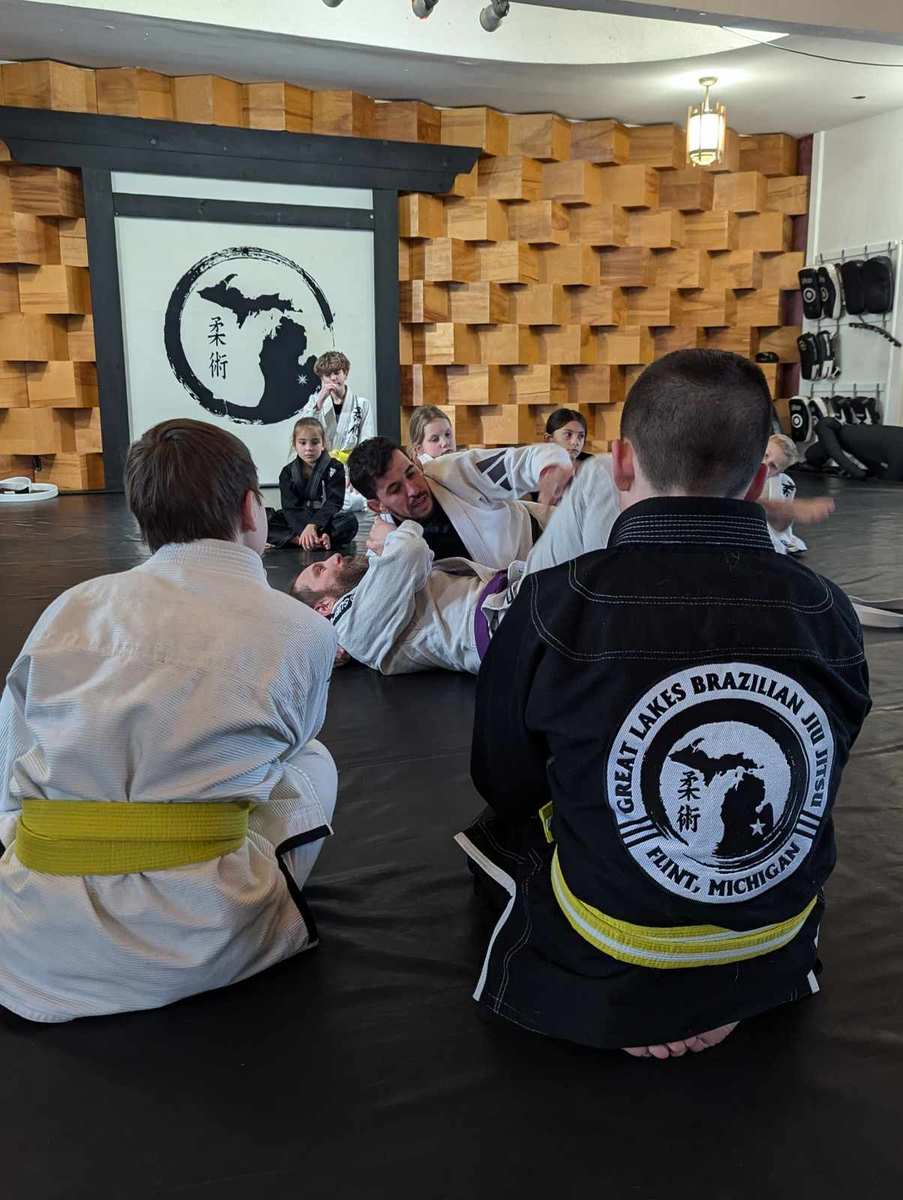
Teen Martial Arts Class Checklist: What to Ask
The short answer: use a teen martial arts class checklist that covers what students actually do, how contact is introduced, how coaches group students, whether the schedule works, and whether the teenager wants to return. A program name alone cannot answer those questions. Parents and teens should compare the real class experience instead of relying on broad promises about confidence, discipline, fitness, or self defense.
This guide is about choosing a class that fits a teenager. If you also need to compare the facility, business terms, cleanliness, or the gym as a whole, read our broader guide to choosing a kids martial arts gym in Flint.
Start with what the teenager wants to try
Parents often begin with the outcome they want. Teens may begin with an activity that looks interesting. Both perspectives matter. Before comparing programs, ask the teenager what appeals to them: grappling, striking, conditioning, learning a new skill, or simply trying something unfamiliar.
That preference does not have to become a permanent commitment. It gives the family a useful starting point. A teen who is curious about close contact grappling may want to observe or try Brazilian jiu jitsu. A teen interested in punches, kicks, footwork, and combinations may be more curious about kickboxing. Combat conditioning may appeal to someone who wants a structured physical session, but the family should still ask what that specific class includes.
If the differences are unclear, this BJJ and kickboxing comparison explains the basic experiences without declaring one discipline best for everyone.
Ask what students actually do during class
Class names can hide important differences. Ask a coach to describe a normal session from arrival to dismissal. Useful questions include:
- How much time is spent on instruction, partner practice, conditioning, and live work?
- What contact should a new teen expect during the first few visits?
- What parts of the class are required, and what parts are optional?
- How does a student pause or stop a drill?
- What clothing or equipment does the class require?
- Can a first time visitor watch before participating?
The answers should be specific to the class under consideration. Martial arts is a broad category. Brazilian jiu jitsu, kickboxing, and combat conditioning do not create the same first visit, even when they appear on the same schedule.
Ask how teens are grouped and coached
Age labels are only one part of class placement. Ask whether the selected session shares a class block with adults and how coaches choose partners for age, size, experience, and the activity being practiced. A clear answer should explain what happens in the current class, not make a blanket claim about every session.
Families should also ask who leads the class and who supervises partner work. Notice whether the coach explains the purpose of a drill, gives students a clear way to ask questions, and corrects behavior that does not match the exercise. A useful answer describes the actual coaching process instead of promising that every teenager will experience the same result.
Ask how contact and progression are handled
Do not assume that every class uses the same level of contact. Ask what a beginner practices first and how more open partner work is introduced. For kickboxing, that may mean clarifying the difference between individual technique work, pad work, partner drills, and any live contact. For Brazilian jiu jitsu, ask how a new student learns positions, stopping signals, and partner expectations before joining more open practice.
The American Academy of Pediatrics parent guide to martial arts explains that injury patterns vary by discipline and contact level. It also recommends learning form and technique before sparring. That is a reason to ask about the exact class, not a reason to call any sport risk free.
Parents should tell the coach about relevant injuries, medical restrictions, or other participation concerns before class. A gym can explain its lesson and participation choices, but individual medical questions belong with the teenager's qualified health professional.
Check whether the schedule works in real life
A class only fits if the teenager can attend without creating an unrealistic family routine. Compare the current class days with school, transportation, homework, work, sleep, recovery, and other sports. Avoid choosing from an old screenshot because schedules can change.
Great Lakes BJJ keeps current class information on the live schedule. If a listing is unclear, use the contact page to confirm the right class before traveling. Families comparing the commute from around Genesee County can also review the location and service area guide.
Let the teenager help make the decision
A parent can screen programs for logistics and suitability, but the teenager should have a real voice in the final choice. After a visit, ask neutral questions:
- Did you understand what the coach wanted you to do?
- Did you know who to ask when you were unsure?
- Was the amount of contact what you expected?
- Which part of class did you want to try again?
- Is there anything you want clarified before another visit?
Those questions are more useful than asking only whether the class was good. They help separate ordinary first visit nerves from a mismatch in activity, communication, contact, or schedule.
Know what a class cannot promise
Martial arts marketing often uses words such as confidence, discipline, focus, fitness, and self defense. Those may describe goals, but they are not guaranteed outcomes for every teenager. Development depends on the student, coaching, training environment, attendance, and factors outside the gym.
The research also calls for restraint. A systematic review of youth martial arts fitness studies reported possible physical benefits, but the participants were mostly younger than teens and the programs were mostly karate rather than BJJ. A separate review of youth psychosocial outcomes found that program structure, guidance, participant characteristics, and social context mattered. Ask how a class operates instead of treating a slogan as a promise.
What are the current teen options at Great Lakes BJJ?
Great Lakes BJJ currently lists its teen program for ages 13 to 16. Current eligible teen options include gi and no gi Brazilian jiu jitsu, kickboxing, and combat conditioning. Several teen listings share class blocks with adult listings, so ask how coaching and partner selection work in the class your family is considering.
The teen program currently lists a free 14 day trial in eligible teen classes. This does not mean every program on the full academy schedule is included. At age 16, ask a coach which training track is the right placement. Use the current kids and teen program page and live schedule as the controlling sources.
What should you do before the first visit?
Choose the discipline that interests the teen, check the current schedule, and confirm anything that affects participation. Tell the gym that it will be the student's first visit and ask what clothing or equipment to bring. Share relevant participation concerns before class instead of waiting until a drill begins.
When the family is ready, request a first visit. The visit is a chance for the parent and teenager to compare the real experience with the answers they received. The best next step is an informed trial, not a promise made before the teen has seen the class.