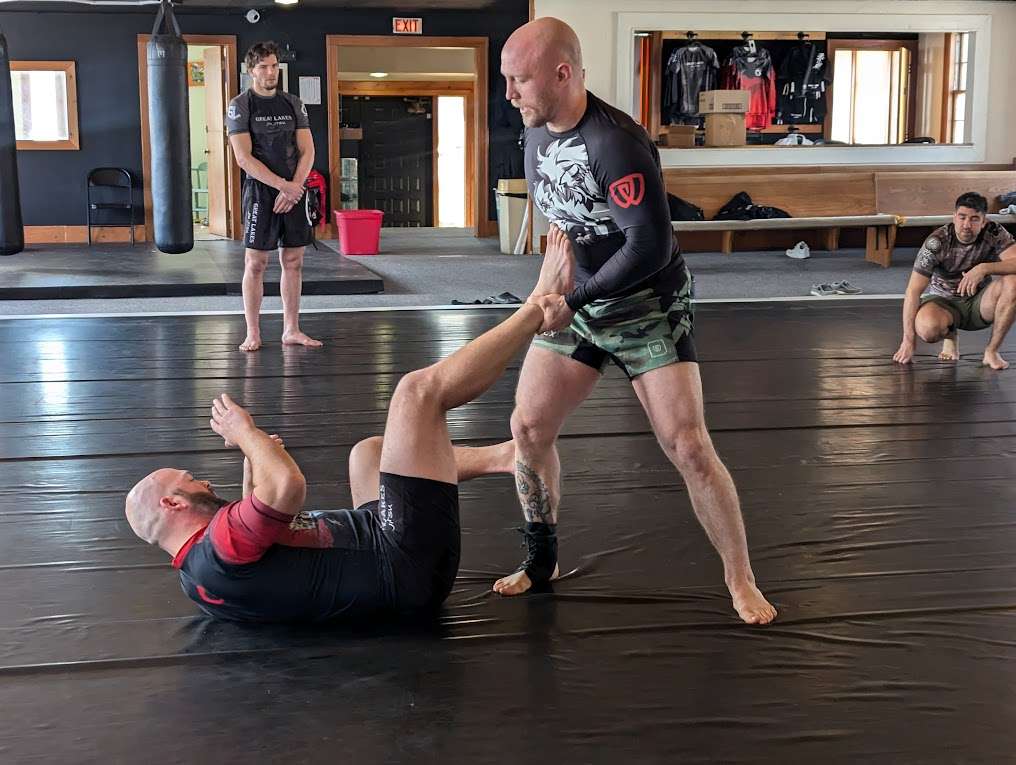
Jiu-Jitsu for Former Wrestlers: Your Mat Career Is Not Over
Jiu jitsu for former wrestlers is one of the most natural ways to keep a mat career going after the season, graduation, or college competition ends. Your stance, balance, takedowns, pressure, and willingness to work through hard positions already matter. You are not starting from zero.
You are still starting a new sport. Submissions change the cost of exposing your neck or arms. Guard makes fighting from your back a real skill. The pace lasts longer, and rules reward different decisions. The best transition happens when you respect both truths: wrestling gave you a head start, and beginner jiu-jitsu still has plenty to teach you.
What transfers from wrestling to BJJ?
Former wrestlers usually bring several useful tools into their first class:
Base and balance: You already know how to stay difficult to move and recover when someone disrupts your stance.
Takedown awareness: Level changes, hand fighting, sprawls, finishes, and mat returns give you options many beginners have never practiced.
Top pressure: You understand that control comes from weight, angles, and connection, not just squeezing harder.
Scrambling: You are comfortable making decisions while positions change quickly.
Training habits: Drilling, repetition, coaching feedback, and hard practice are already familiar.
Those advantages are real. They can help you feel useful early and make no-gi rounds look familiar. They also create blind spots if you assume every wrestling answer remains safe under submission rules.
The first habit to change: protect your neck
Wrestling often rewards driving forward, keeping your head active, and building back to a strong base. In jiu-jitsu, that same forward pressure can place your neck inside a choke. A shot that would earn two points can become a guillotine if your head and posture are careless.
This does not mean you should stop wrestling. It means you need submission-aware wrestling. Learn where your head belongs, when an underhook is safe, and when finishing a takedown is less important than clearing a threat.
Tapping is part of that adjustment. You tap when a submission is secured, reset, and study the position. There is no team point saved by waiting one more second. Tap early enough to train again tomorrow.
Your back is not always a bad place
A wrestler is trained not to accept the back. That instinct remains useful, but BJJ guard is not the same as being pinned. From guard, the person underneath can control distance, off-balance the top player, sweep, stand up, or attack submissions.
Your first guard rounds may feel wrong because the position conflicts with years of wrestling reactions. Treat guard as a skill you need, not a position you plan to live in. A wrestler who can escape underneath, recover guard, and then return to top becomes much harder to control.
You will also need to recognize when turning belly-down exposes your back and neck. The referee is not about to stop the match for near-fall points. Your opponent may follow with hooks and a choke.
Pressure stays useful, but the pace changes
Wrestling rounds teach urgency. That engine is valuable, especially during takedowns and scrambles. A common first-month mistake is using tournament pace for every second of a longer jiu-jitsu round. The result is predictable: your grips fade, your decisions get worse, and a calmer partner waits for the opening.
Learn where to spend energy and where position can do the work. Heavy does not always mean tense. Good top pressure can make the other person carry your weight while you keep enough breath to think.
The goal is not to remove your pace. It is to make that pace available when it matters instead of burning it immediately.
Should former wrestlers start gi or no-gi?
No-gi often feels more familiar because there are no jacket grips and the hand fighting resembles wrestling. Your takedowns, front headlock, rides, and scrambling instincts may appear sooner. That makes no-gi an easy doorway into submission grappling.
The gi is useful too. It forces you to solve unfamiliar grips, slow down, and become more deliberate about posture and hand position. A wrestler who only relies on speed may find that the gi exposes where technique needs more detail.
Choose the format that fits your schedule, or try both. Our guide to gi vs no-gi for beginners explains the clothing, grips, pace, and first-class tradeoffs without declaring one format superior.
BJJ after high school wrestling
Finishing high school wrestling can leave a real gap. The season structure, teammates, competition, and hard practice disappear at the same time. Jiu-jitsu gives you another room where grappling matters, but it does not require you to repeat the same competitive schedule.
You can train recreationally, compete, help newer students, or simply keep learning. The mat career can change shape without ending. If you are still on a school team, follow your coaches' rules and manage recovery around the season. More training is not automatically better if it takes away from sleep, school, or the work you owe your team.
What should a former wrestler expect in the first month?
Expect moments where you feel far ahead and moments where you feel brand new. You may control a takedown exchange, then get caught by a submission you did not see. You may pressure through someone's guard, then realize you gave up your back during the scramble.
A useful first month focuses on a few adjustments:
Learn the tap and the major submission dangers.
Build one safe guard posture and one escape from underneath.
Finish takedowns without leaving your neck behind.
Hold top position without spending all your energy.
Ask how the BJJ ruleset changes a familiar wrestling exchange.
You do not need to hide your background or prove it. Tell the coach how long you wrestled and when you last trained. That helps with partner choice and gives the coach a useful bridge between what you know and what comes next.
Jiu-jitsu for wrestlers in Flint and Genesee County
Great Lakes BJJ teaches adult gi and no-gi classes in Flint, including beginner options for people learning the submission side of grappling. Wrestlers from Flint, Davison, Grand Blanc, and across Genesee County can build on their existing base without being treated like they should already know BJJ.
Compare the adult training options, learn more about Brazilian jiu-jitsu in Flint, and check the current schedule. If you want a step-by-step look at the room before arriving, read what happens in a first BJJ class.
Your last wrestling season does not have to be your last serious season on a mat. When you are ready to see what transfers, request your first class and tell us about your wrestling background.